Activewear Compression Levels Explained: A Buyer's Guide for Leggings and Bras
- Share
- Issue Time
- Aug 24,2026
Summary
A factory-side guide to specifying compression in leggings and sports bras. Learn how fabric tension, stretch and recovery, GSM, negative ease, pattern construction, fit sessions and garment testing work together—and why light, medium and firm compression should be treated as product positioning unless validated pressure data is available.
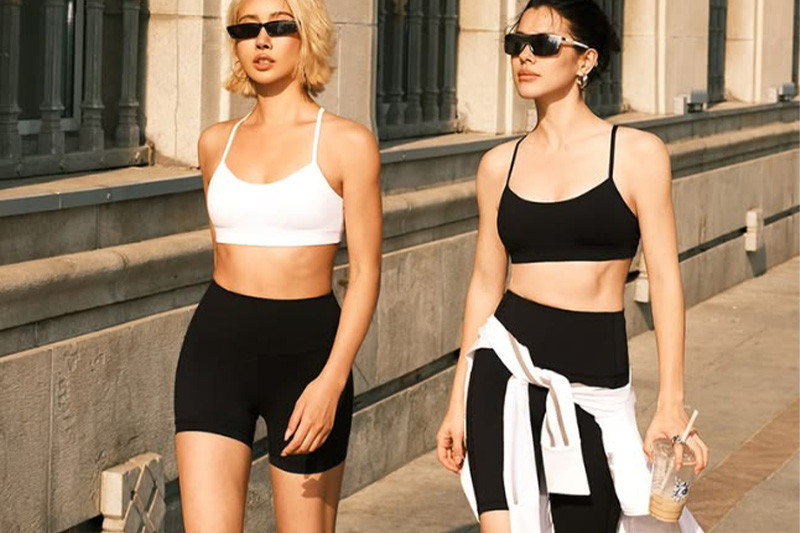
“Medium compression” sounds like a useful instruction until a factory has to turn it into a real pair of leggings. How tight should the waistband feel? How much should the hip and thigh stretch? How much recovery should the fabric have? And what happens if the same fabric is used with a different pattern or size?
This is why compression should not be treated as a fabric marketing label. In activewear development, compression is created by the interaction between fabric tension, stretch and recovery, garment measurements, negative ease, construction, body dimensions and intended movement.
Brands should specify activewear compression through the intended fit and measurable product variables—not only through terms such as light, medium or firm.
Start with the approved fabric, GSM, stretch and recovery behavior, garment measurements, pattern negative ease and construction. Then validate the result through fitted samples and a documented fit session.
Light, medium and firm can be useful product-positioning terms, but they are not universal medical or laboratory pressure classes. If a brand publishes an actual pressure value, that figure should come from a validated garment-pressure measurement under clearly defined conditions.

1. What Does Compression Mean in Activewear?
From a product-development perspective, compression describes how firmly a garment fits and resists extension while it is worn.
That sensation comes from several variables working together:
- Fabric tension at a given extension
- Lengthwise and crosswise stretch
- Recovery after extension
- Fabric GSM and knit construction
- Elastane content and yarn system
- Garment measurements
- Pattern negative ease
- Waistband, underband and strap construction
- Wearer's body dimensions
- Garment size
- Body position and movement
Two leggings made from the same fabric can feel different if one pattern has more negative ease through the hip and thigh. Likewise, two fabrics with the same elastane percentage can create different levels of resistance because their yarn, knit density and tension-extension behavior are different.
2. Light, Medium and Firm Compression: Positioning, Not a Universal Standard
Terms such as light, medium and firm are useful because buyers, designers and consumers need a simple way to discuss how a garment should feel.
The problem begins when those labels are presented as if every manufacturer uses the same technical definition.
These descriptions are product-positioning examples for development discussions. They are not standardized pressure bands and should not be converted directly into medical compression values.
3. More Spandex Does Not Automatically Mean More Compression
A common sourcing shortcut is to compare only the elastane percentage:
Fabric B: 70% Nylon / 30% Elastane
It may be tempting to assume Fabric B will always produce a more compressive garment. That conclusion is not reliable from composition alone.
Compression behavior can also change with:
- Elastane yarn type
- Yarn denier
- Knit construction
- Fabric density
- Heat setting
- Finishing
- Fabric weight
- Direction of stretch
- Pattern dimensions
4. Fabric Tension, Stretch, Recovery and GSM
A better fabric-development conversation looks at how the fabric behaves when it is extended.
Stretch
Stretch tells the development team how far a fabric can extend under the agreed test conditions.
For activewear, both directions may matter:
- Crosswise stretch
- Lengthwise stretch
But maximum stretch alone still does not tell a buyer how firm the material feels at normal garment extension.
Tension at Extension
ASTM D4964 covers tension and elongation testing of elastic fabrics using a constant-rate-of-extension tensile testing machine.
One useful concept from this type of test is the amount of tension produced when an elastic fabric reaches a specified elongation.
In product development, this can provide more useful information than simply saying:
If two fabrics are compared using the same agreed testing setup, their tension-extension behavior can help explain why one feels firmer even when both reach similar maximum elongation.
Recovery
Recovery matters because a compression garment should not simply stretch—it also needs to return toward its intended dimensions after movement.
Poor recovery may contribute to:
- Knee bagging
- Seat growth
- Loose waistbands
- Loss of underband stability
- Changing fit during wear
ASTM D2594/D2594M can be used to evaluate stretch and growth behavior of knitted fabrics under low-tension conditions. ASTM also notes that fabrics intended for support applications may be better evaluated with other methods such as D4964.
GSM
Fabric weight also contributes to the overall product feel, but it should not become a compression shortcut.
The denser material may feel firmer—or it may simply be heavier. Tension, stretch, recovery and pattern fit still need to be considered.
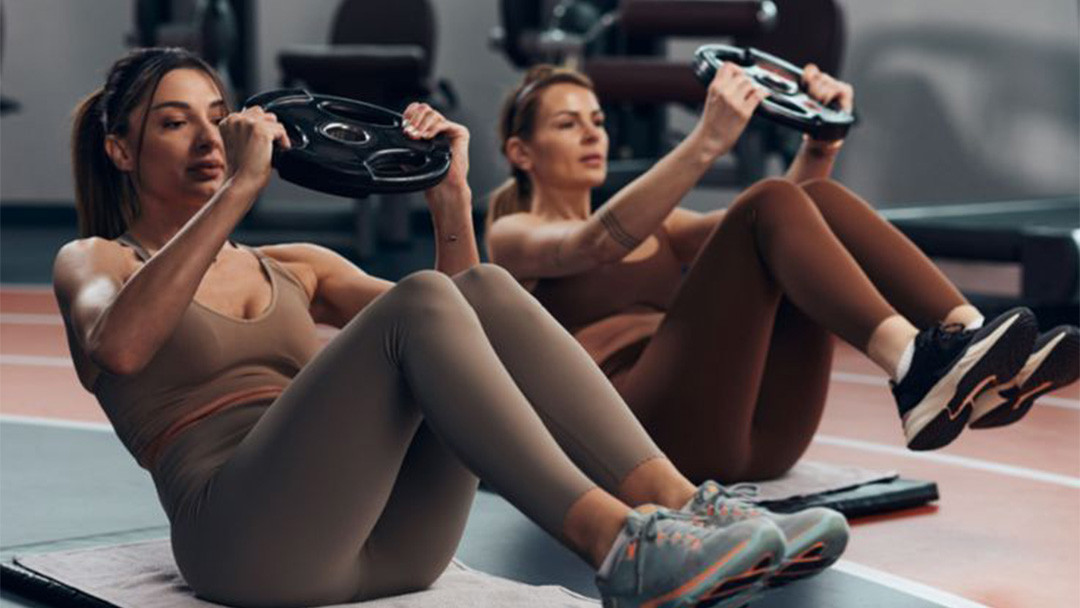
5. Pattern Negative Ease Can Change Compression Even When the Fabric Stays the Same
Negative ease means the finished garment is intentionally smaller than the corresponding body measurement so the stretch fabric extends during wear.
Consider a simplified example:
Finished garment hip circumference: smaller than 100 cm
The difference creates extension when the garment is worn.
The exact relationship cannot be selected from one universal percentage. It depends on the fabric, construction, target fit, product category and grading strategy.
If negative ease is increased too aggressively, the garment may:
- Become difficult to put on
- Create excessive pressure at specific areas
- Become more transparent under stretch
- Pull seams out of position
- Cause waistband rolling
- Restrict normal movement
If negative ease is too low, the garment may:
- Lose the intended supportive feel
- Slide during movement
- Bag at the knee or seat
- Lose underband stability
This is why “medium compression” cannot be solved by the fabric supplier alone.
6. Compression Leggings and Sports Bras Need Different Development Logic
| Development factor | Compression leggings | Sports bras |
|---|---|---|
| Main fit zones | Waist, hip, seat, thigh, knee and calf | Underband, bust, side body, straps and back |
| Fabric role | Controls overall stretch, recovery, opacity and body hold | Works with lining, mesh, elastic, cup and strap construction |
| Key stability area | Waistband during squat, running and repeated movement | Underband and bust containment during movement |
| Common failure | Waist sliding, knee bagging, overcompression or loss of opacity | Band riding up, excessive bounce, strap discomfort or poor containment |
| Fit approval | Movement, squat, bend, run and recovery checks as relevant | Arm movement, bounce observation, band stability and strap comfort |
A sports bra demonstrates why fabric composition alone is not enough.
High support can also depend on:
- Underband elastic tension
- Band width
- Power mesh
- Double-layer construction
- Cup shape
- Neckline height
- Strap width
- Adjustability
- Back construction
7. Use a Fit Session Before Approving Compression
Compression should ultimately be checked on a garment, not only on a fabric swatch.
A fit session should use:
- Current sample revision
- Approved or production-intent fabric
- Correct sample size
- Suitable fit model
- Documented garment measurements
- Repeatable movement sequence
Step 1 — Dressing
Can the wearer put the garment on normally? Excessive pulling or unusual difficulty may indicate that the fit is too aggressive.
Step 2 — Standing Fit
Check waistband, hip, thigh and seam position for leggings. For bras, check underband position, cup coverage, side containment and straps.
Step 3 — Movement
Use movements that match the product: squat, lunge, bend, run, arm raise or controlled jumping where appropriate.
Step 4 — Stability
Check whether the waistband rolls or slides, whether a bra underband rides up, and whether straps or seams move out of position.
Step 5 — Recovery
After movement, check whether the garment returns to its intended fit or shows knee bagging, seat growth, loose bands or local distortion.
Ask Better Fit Questions
“Is it tight?” produces a very subjective answer.
More useful questions include:
- Can you complete a deep squat without unreasonable restriction?
- Does the waistband stay in position?
- Does pressure feel evenly distributed?
- Is one seam or panel creating a concentrated pressure point?
- Does the garment feel noticeably looser after repeated movement?
- Does the knee or seat bag after exercise?
- For bras, does the underband remain level?
- Do the straps remain comfortable through arm movement?
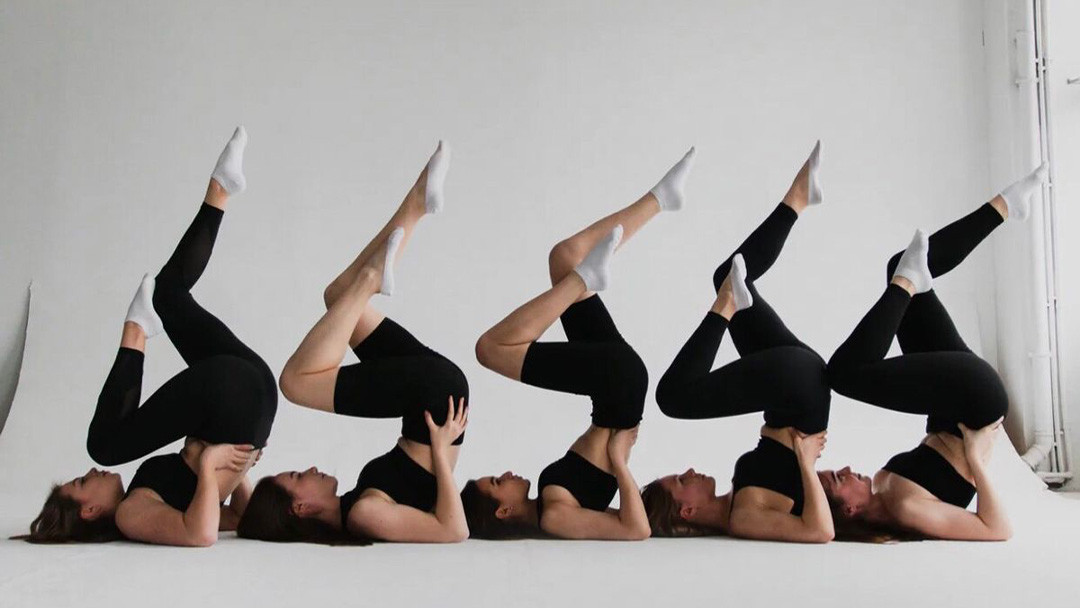
8. When Should a Brand Measure Actual Garment Pressure?
Most fashion and performance-activewear projects do not need a pressure value simply to communicate a desired close fit.
Actual pressure measurement becomes more relevant when:
- The brand wants to publish a specific pressure value
- Pressure is part of the product specification
- Different pressure zones are being engineered
- The product makes claims that depend on a measured pressure level
- The buyer requires a validated pressure protocol
Research on sports compression garments has shown that measured interface pressure can change according to garment type, garment size, measurement location and wearer posture.
That means a statement such as:
is incomplete unless the brand can explain:
- Where the pressure was measured
- Which garment size was tested
- The wearer's relevant body dimensions
- The body position
- The measurement equipment
- The testing protocol
9. How to Write Compression Requirements in a Tech Pack
The tech pack should translate the buyer's intended compression position into something the development team can reproduce.
Add the Fabric Specification
Where data is available, include:
- Fabric code
- Composition
- Approved GSM
- Construction
- Lengthwise stretch
- Crosswise stretch
- Recovery requirement
- Tension-extension data, where validated and relevant
- Approved physical swatch
Add the Garment Specification
- Sample size
- Finished garment measurements
- Waist, hip, thigh and calf measurements where applicable
- Underband and strap measurements for bras
- Measurement tolerances
- Approved grade rules
- PPS reference
Add the Fit Requirement
Compression positioning: Medium
Product: Training legging
Fabric: Approved Fabric N25
Sample size: M
Fit intent:
Secure body-hugging fit through waist, hip and thigh. Waistband to remain stable during squat and lunge movements. No excessive local pressure at waistband seam or gusset. Garment must recover after movement without visible knee or seat bagging.
Approval reference:
PPS V4 + approved fit-session comments.
Now “medium compression” is supported by a fabric, pattern, fit and approval reference rather than being left as a subjective adjective.
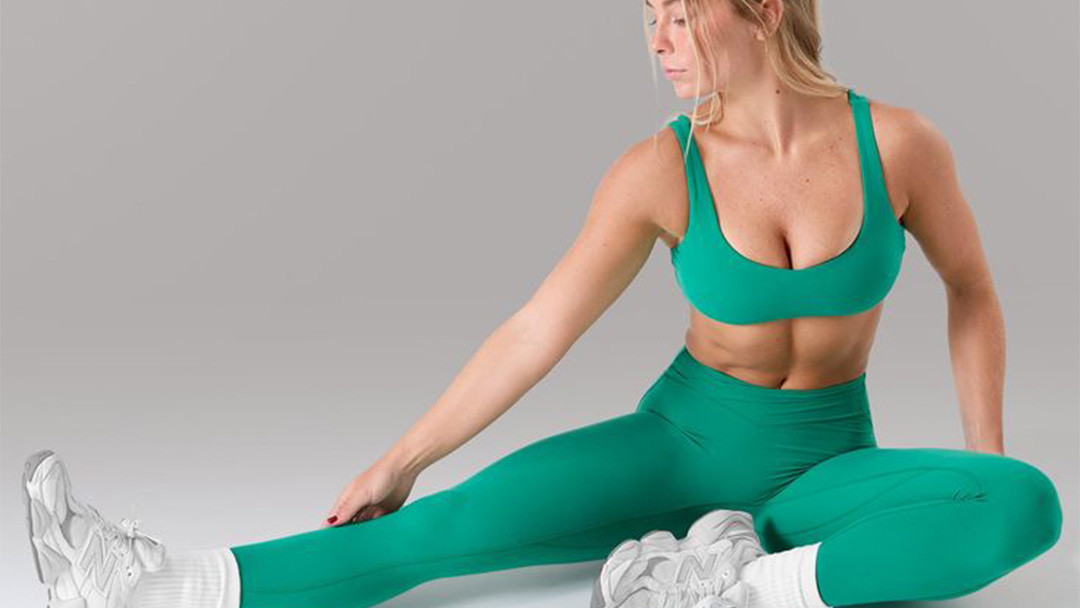
10. Common Compression Development Mistakes
| Mistake | Why it creates risk | Better approach |
|---|---|---|
| Specifying only “medium compression” | Different teams may interpret the word differently. | Link the term to an approved fabric, measurements and fit sample. |
| Choosing fabric only by spandex percentage | Composition does not define tension or recovery. | Review fabric construction and tested behavior. |
| Assuming higher GSM means stronger compression | Fabric weight and resistance are not the same property. | Compare tension, stretch, recovery and fit. |
| Making the pattern much smaller to increase compression | Can create poor mobility, transparency, seam distortion and difficult dressing. | Develop negative ease together with the selected fabric. |
| Approving only one size | Compression feel can change after grading. | Review size-set fit and critical sizes before bulk. |
| Using the word “high support” for a sports bra without construction detail | Support is affected by more than main fabric. | Define band, lining, straps, cups and fit requirements. |
| Publishing pressure values without test evidence | The figure may not represent the actual finished garment. | Use validated pressure measurement under documented conditions. |
11. Build a Real Fabric Comparison Instead of Guessing
If a brand is choosing between several compression fabrics, use the same evaluation framework for all of them.
| Specification | Fabric A | Fabric B | Fabric C |
|---|---|---|---|
| Composition | Enter actual TDS | Enter actual TDS | Enter actual TDS |
| GSM | Enter actual result | Enter actual result | Enter actual result |
| Crosswise stretch | Enter actual test | Enter actual test | Enter actual test |
| Lengthwise stretch | Enter actual test | Enter actual test | Enter actual test |
| Recovery / growth | Enter actual test | Enter actual test | Enter actual test |
| Tension at agreed extension | Enter validated result | Enter validated result | Enter validated result |
| Fit-session position | Enter actual result | Enter actual result | Enter actual result |
| MOQ / color | Enter supplier MOQ | Enter supplier MOQ | Enter supplier MOQ |
| Material cost | Enter current quote | Enter current quote | Enter current quote |
A real comparison of three identified fabric codes is far more useful to a buyer than a generic statement such as “30% spandex gives firm compression.”
12. Pre-Bulk Compression Approval Checklist
Fabric
- Approved fabric code confirmed
- Composition confirmed
- GSM confirmed
- Stretch behavior reviewed
- Recovery / growth reviewed
- Tension data reviewed where relevant
- Bulk fabric matches approved development fabric
Pattern and Measurements
- Sample size confirmed
- Finished garment measurements approved
- Negative ease evaluated through fit
- Critical measurement tolerances set
- Grading reviewed for relevant sizes
Fit Session
- Dressing comfort reviewed
- Standing fit approved
- Movement completed successfully
- Waistband / underband stability approved
- No unacceptable concentrated pressure points
- Recovery after movement reviewed
Production Approval
- PPS approved
- Approved revision locked
- Fit-session comments closed
- Fabric and trims approved
- Buyer approval recorded
- Any claimed pressure values supported by validated evidence
Frequently Asked Questions
What does compression mean in activewear?
In performance apparel, compression describes how firmly the finished garment fits and resists extension while being worn. The result depends on fabric tension, stretch and recovery, pattern dimensions, negative ease, garment construction, size and the wearer.
What is the difference between light, medium and firm compression?
These terms are useful product-positioning descriptions but are not universal pressure standards. Brands should define what each level means through approved fabrics, garment measurements, fit sessions and reference samples rather than assuming every manufacturer uses the same definition.
Does more spandex mean more compression?
Not necessarily. Elastane percentage is only one variable. Yarn type, knit construction, GSM, finishing, tension at extension, pattern negative ease and garment fit can all change how compressive the finished product feels.
Does higher GSM create more compression?
Not automatically. A heavier fabric may feel denser, but fabric weight is not the same as tension. Compression should be evaluated using fabric behavior and finished-garment fit rather than GSM alone.
How should compression leggings be tested?
Review the approved production-intent fabric, finished garment measurements and fit on an appropriate wearer. Use a repeatable movement session to check dressing, waistband stability, mobility, pressure distribution, recovery and bagging. Record the approved sample revision so bulk production can be compared against it.
What makes a sports bra high support?
High support is not created by the main fabric alone. Underband tension and width, straps, cup construction, lining, power mesh, neckline, back design, fit and garment measurements all contribute to the finished support position.
Can a manufacturer give compression in mmHg?
A pressure value should only be stated when it has been measured using an appropriate validated method on the finished garment under documented conditions. Pressure can vary according to garment type, size, measurement location, body dimensions and posture.
How should compression be written in a tech pack?
Use the positioning term together with the approved fabric code, GSM, stretch or tension data where available, sample-size garment measurements, fit intent, movement requirements and approved PPS reference. This makes the compression target much more reproducible than writing only “medium compression.”
Final Recommendation
If a brand wants medium-compression leggings, do not begin by asking for “the strongest fabric.”
Start with the intended product experience. Decide how secure the waist, hip and thigh should feel. Select a fabric with suitable stretch, recovery and tension behavior. Develop the pattern and negative ease around that material. Then put the garment on a fit model and test it during the movements the product is supposed to handle.
For sports bras, add the underband, straps, lining, cups and back construction to that equation.
Most importantly, keep marketing terminology separate from measured technical data.
That gives the factory something it can reproduce—and gives the buyer something it can actually approve before bulk production.
Developing Compression Leggings or Sports Bras?
Send us your product reference, tech pack, target compression position, fabric preference, size range and order quantity. Our activewear development team can help review fabric options, fit requirements, sampling and the key approval points before bulk production.
Discuss Your Compression Activewear ProjectTechnical References
-
ASTM International — D4964, Standard Test Method for Tension and Elongation of Elastic Fabrics.
ASTM D4964 -
ASTM International — D2594/D2594M, Standard Test Method for Stretch Properties of Knitted Fabrics Having Low Power.
ASTM D2594/D2594M -
Brophy-Williams N, Driller MW, Shing CM, Fell JW, Halson SL.
Confounding compression: the effects of posture, sizing and garment type on measured interface pressure in sports compression clothing.
Journal of Sports Sciences. 2015.
View the PubMed record