Beyond the Blank: The Ultimate Guide to Activewear Logo Customization & Retail-Ready Packaging
- Share
- Issue Time
- Apr 1,2026
Summary
This guide provides a comprehensive blueprint for activewear brands to achieve excellence through meticulous attention to detail in logo customization and packaging. It emphasizes that in the competitive activewear market, the longevity of a logo and the impact of the unboxing experience are crucial for brand success and customer loyalty. The article highlights common issues such as peeling logos caused by unsuitable printing methods on high-stretch fabrics, advocating for advanced techniques li
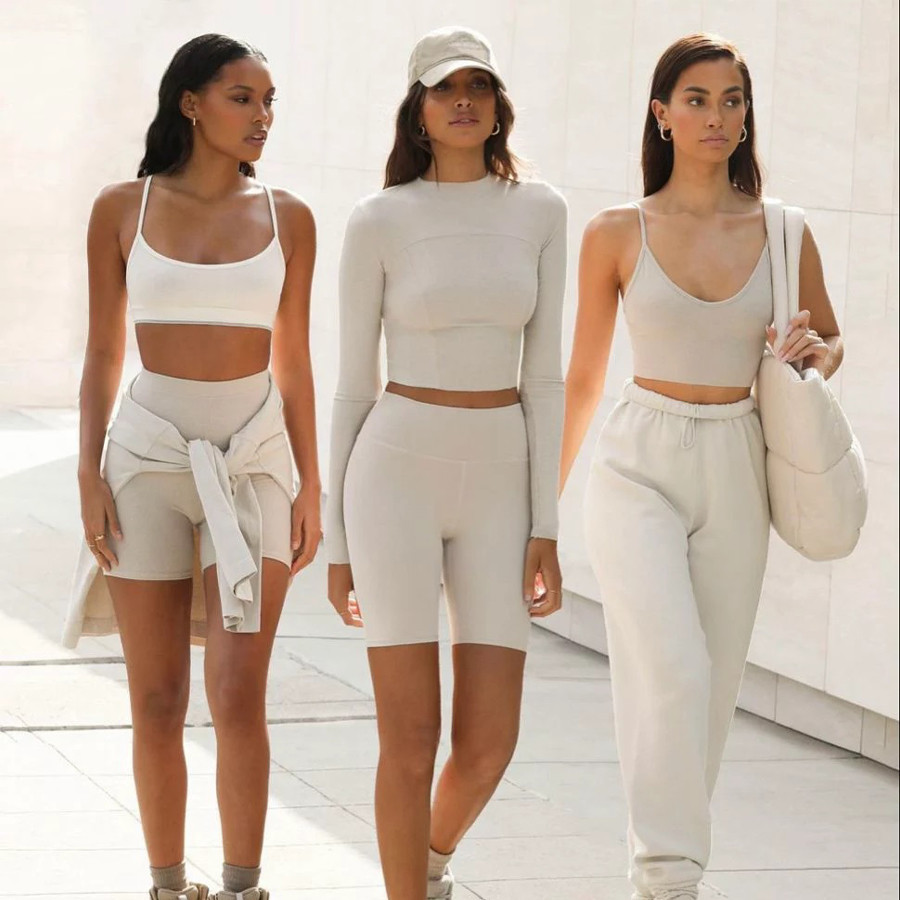
In the crowded activewear market, the difference between a brand that thrives and one that fades is etched in the details. It’s in the satisfying stretch of a high-performance fabric, the confidence that comes with a logo that doesn't crack under pressure, and the thrill of an unboxing experience that feels like a reward. I'm here to guide you through these critical elements, focusing on two pillars that elevate a brand from good to exceptional: logo customization that endures and retail-ready packaging that captivates. We'll tackle the all-too-common pitfalls, like the dreaded peeling logo, and explore superior decoration methods that speak volumes about your brand's quality.
Forget flimsy, cracking logos and generic plastic bags that cheapen your product before it's even worn. Today, we're pulling back the curtain on how to craft an activewear brand that not only outshines the competition in quality and design but also delivers an unforgettable unboxing experience—all while making smart, strategic financial decisions.
Join me as we dive deep into the nuances of production. We’ll explore advanced logo application techniques perfectly suited for high-performance fabrics and uncover the strategic value of custom, retail-ready packaging. You'll discover how a comprehensive, full-package production approach can be your greatest asset, saving you precious time and capital while building a brand that customers love and trust from the very first touchpoint.
Key Takeaways
This guide is your blueprint for building a standout activewear brand by focusing on the details that create lasting value. Here are the core concepts we'll cover:
- The Problem with Cheap Logos: We'll start by addressing a frequent pain point for new brands: logos that peel, crack, or fade. Standard screen printing, while cost-effective for some apparel, often fails on the high-stretch, high-performance fabrics used in activewear. This failure isn't just a quality issue; it directly impacts customer trust and brand perception. A logo that deteriorates suggests a brand that cuts corners, undermining the premium image you aim to build.
- Advanced Logo Techniques for Performance Fabrics: To combat the weaknesses of basic printing, we explore superior logo application methods that are built to last.
- 3D Silicone Heat Transfers: This is the gold standard for high-stretch fabrics. Silicone offers incredible elasticity and adhesion, moving with the fabric without cracking, and provides a premium, textured feel that elevates your brand's perceived value.
- Night-Vision Reflective Prints: Merging style with safety, reflective prints are perfect for activewear designed for running or outdoor activities. This functional feature adds a layer of professionalism and care to your products.
- High-Density Embroidery: For a luxurious, classic finish on items like hoodies or joggers, high-density embroidery provides a durable and upscale look that communicates quality craftsmanship.
- The Power of Retail-Ready Packaging: The customer's experience begins the moment they receive their package. We'll move from the product itself to the presentation, emphasizing how custom packaging is a crucial marketing tool.
- Custom Frosted EVA Zipper Bags: These bags offer a significant upgrade from standard poly bags. They are reusable, functional, and provide a premium, tactile experience that protects the garment and delights the customer.
- High-Quality Hang Tags: A hang tag is more than a price marker; it's a miniature billboard for your brand story. We’ll discuss how to use it to convey your mission, highlight fabric technology, and reinforce your brand's identity.
- Sustainable Options: In today's market, eco-conscious packaging is not just a trend but a reflection of brand values. We'll touch on using recycled and biodegradable materials to appeal to environmentally aware consumers.
- The Strategic Advantage of Full-Package Production (FPP): For startups, managing a fragmented supply chain is a recipe for disaster. FPP is a game-changing solution where one manufacturing partner handles everything from sourcing and design finalization (via a tech pack) to production, packaging, and logistics. This streamlined approach saves an immense amount of time, reduces costly errors, ensures quality consistency, and often provides cost savings through the manufacturer's established network and expertise.
- Actionable Steps for Brand Launch: The guide culminates in a micro-FAQ to address common questions and a clear call-to-action. By understanding these key areas—logo durability, premium packaging, and streamlined production—you can avoid common startup mistakes and build a foundation for a successful and resilient activewear brand.
Beyond Basic: Elevating Your Activewear Logo from Flimsy to Flawless
The logo is the face of your brand. On activewear, it’s more than a static image; it's a dynamic element that must endure sweat, stretching, and countless washes. A logo that fails is a direct reflection on your brand's promise of performance and quality. This is where many new brands falter, opting for seemingly "cheaper" solutions that lead to costly reputational damage.
The Pitfalls of "Cheap" Logos and Why Quality Matters
Choosing the right decoration method is not a corner you can afford to cut. In the world of high-performance apparel, the endurance of your logo is paramount. A peeling, cracking, or fading emblem instantly devalues your product and erodes the trust you're working so hard to build with your customers.
Understanding the Weaknesses of Standard Screen Printing for Activewear
Standard screen printing is a popular choice for cotton t-shirts, but it often proves disastrous for performance activewear. The primary reason is the fabric itself. Activewear is defined by its high-stretch materials, typically polyester and spandex/elastane blends. These fabrics present several challenges that standard screen printing cannot overcome.
When a garment made of a stretchy blend is worn, the fabric can extend significantly. Traditional plastisol ink, used in screen printing, sits on top of the fabric's fibers rather than bonding with them. This ink layer lacks the elasticity to move with the fabric. As a result, when the fabric stretches, the ink cracks and breaks apart. Over time and with repeated washes, this cracking leads to peeling, ruining the visual integrity of the logo.
Furthermore, many performance fabrics are treated with moisture-wicking or water-resistant finishes. These chemical coatings can create a barrier that prevents the screen-printing ink from properly adhering to the fibers, increasing the likelihood of the design washing out or peeling away. While there are specialized inks and additives for screen printing that improve stretchiness, they don't always solve the problem and may not provide the longevity and premium finish that customers expect from high-quality activewear.
The Impact of Logo Durability on Brand Perception and Customer Trust
Your logo’s durability is directly tied to your brand’s reputation. When a customer pays a premium for performance leggings or a sports bra, they expect every component of the garment to meet a high standard of quality. A logo that starts to peel after a few workouts sends a clear message: this product is not built to last.
This single point of failure can have a cascading effect on customer perception. It cheapens the product, suggesting that the brand cut corners not just on the logo but potentially on other aspects like stitching, fabric quality, and overall construction. This experience can lead to negative reviews, a lack of repeat purchases, and poor word-of-mouth—all of which are devastating for a new brand trying to gain a foothold in a competitive market.
Conversely, a logo that remains pristine wash after wash reinforces the brand's commitment to quality. It builds credibility and fosters customer loyalty. Customers who trust the quality of your products are more likely to become repeat buyers and brand advocates, which is the cornerstone of sustainable growth.
Next-Level Logo Customization: Advanced Techniques for Performance Fabrics
To avoid the pitfalls of standard methods, successful activewear brands invest in advanced decoration techniques designed specifically for synthetic, high-stretch fabrics. These methods ensure your logo not only looks premium but also performs as well as the garment itself.
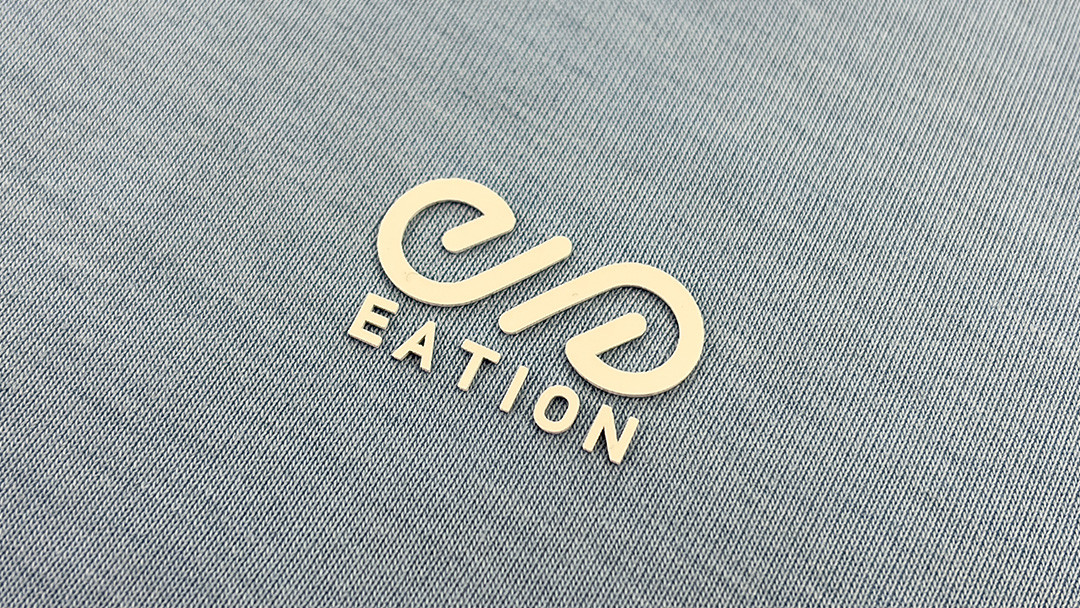
3D Silicone Heat Transfers: Unrivaled Adhesion and Dynamic Texture
For high-stretch garments like leggings, compression tops, and sports bras, silicone heat transfer is widely considered the superior choice. This technique involves creating a logo from a flexible, durable silicone compound that is then applied to the fabric using heat and pressure.
Unlike screen printing, silicone has incredible elasticity and adheres strongly to slick performance fabrics. It stretches with the material without any risk of cracking or peeling, ensuring the logo remains flawless through intense activity and frequent washing. Beyond its performance benefits, 3D silicone offers a premium, tactile finish. The raised, soft-touch texture adds a dynamic and modern aesthetic that immediately signals quality and sophistication, setting your brand apart from competitors.
Night-Vision Reflective Prints: Safety Meets Style
For activewear intended for outdoor activities like running or cycling, reflective heat transfers offer a perfect blend of safety and style. This technique uses a material that reflects light in low-light conditions, enhancing the wearer's visibility.
This isn't just a functional feature; it's a powerful branding statement. Incorporating reflective elements shows a thoughtful approach to product design, communicating that your brand cares about the customer's safety and performance needs. These prints can be customized into intricate logos and designs, providing a sleek, modern look that is highly valued in the performance sportswear market.
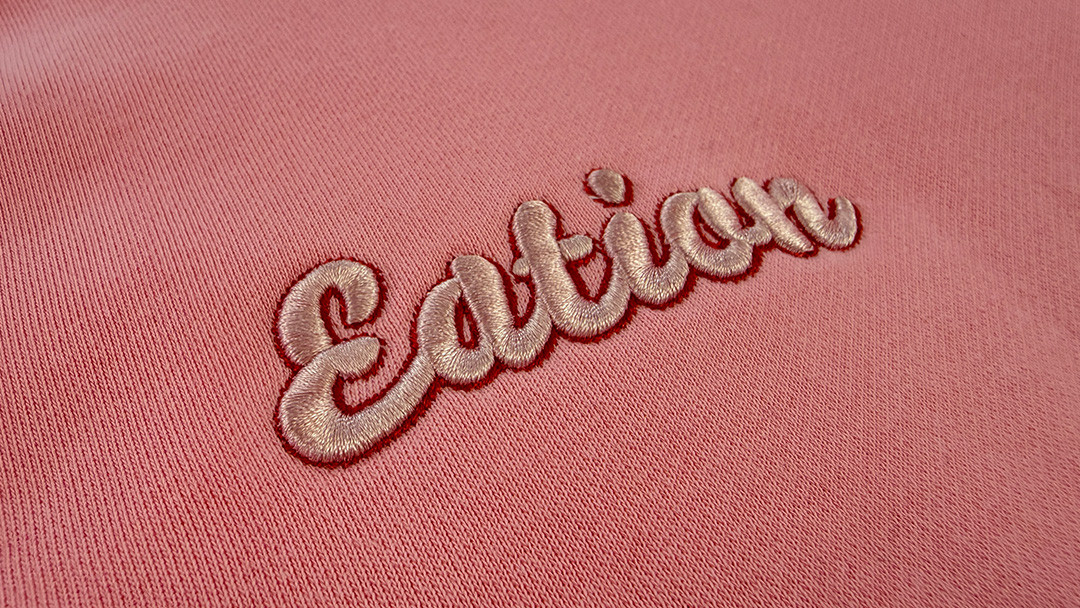
High-Density Embroidery: Luxurious Finish and Enduring Quality
While not suitable for high-stretch zones on performance garments, high-density embroidery offers a timeless, luxurious finish for other activewear pieces. Think hoodies, joggers, sweatshirts, and hats. High-density embroidery uses more thread in a smaller area to create a "puffy" or 3D effect that is rich in texture and durability.
This method conveys a sense of craftsmanship and permanence. It’s an excellent choice for branding on fleece or heavier knit fabrics where a premium, classic aesthetic is desired. The substantial feel of an embroidered logo adds perceived value and is associated with established, high-end brands.
Other Advanced Printing Methods for Sportswear
Beyond the top three, other technologies are making waves in activewear customization:
- Direct to Film (DTF) Printing: DTF has emerged as a game-changer for its versatility and durability. In this process, a design is printed onto a special film, which is then coated with an adhesive powder and heat-pressed onto the garment. DTF offers excellent stretchability and holds up well to washing, preventing cracking and peeling. It works across a wide range of fabrics, including the polyester, nylon, and spandex blends common in activewear.
- Sublimation: Sublimation is ideal for all-over prints on 100% polyester or high-polyester-content fabrics. The process uses heat to turn dye into a gas, which then infuses directly into the fabric fibers. The result is a print with zero texture, zero weight, and exceptional durability—it cannot crack, peel, or fade. However, its primary limitation is that it only works on light-colored polyester fabrics.
Here is a comparison of the top logo application methods for activewear:
| Method | Best For | Key Advantages | Considerations |
|---|---|---|---|
| 3D Silicone Heat Transfer | Leggings, sports bras, compression wear | Superior elasticity, premium 3D texture, excellent durability | Higher cost per unit than other methods |
| Reflective Heat Transfer | Running gear, outerwear | High visibility for safety, modern aesthetic, durable | Best for functional highlights, may have placement limitations |
| High-Density Embroidery | Hoodies, joggers, hats | Luxurious, high-end look, extremely durable | Not suitable for thin or high-stretch fabrics due to bulk and lack of flexibility |
| Direct to Film (DTF) | Versatile for most activewear | Good stretch, vibrant colors, works on many fabric types | The feel can be slightly thicker than sublimation |
| Sublimation | All-over prints on polyester | Zero texture, perfect durability, breathable, part of the fabric | Only works on light-colored, high-polyester content fabrics |
Designing Your Activewear Logo: A Strategic Approach
A powerful logo is more than just a pretty design; it's a strategic asset that communicates your brand's essence. For activewear, your logo must be visually impactful, memorable, and designed with technical application in mind from day one.
Defining Your Brand's Visual Identity
Before you even think about fonts or colors, you must define your brand's identity. What is your brand's core message? Are you focused on high-performance athletics, yoga and wellness, or a fashion-forward athleisure lifestyle? Your identity will inform every design decision.
Consider the key values you want to communicate: Strength? Serenity? Community? Innovation? A brand like Gymshark uses a bold, angular logo to convey power and intensity, while a wellness brand might opt for softer, more organic shapes. This core identity is the foundation upon which your visual elements are built.
Choosing Fonts and Elements for Maximum Impact
When designing for activewear, simplicity and clarity are key. Your logo will often be seen in motion or at a small scale, so intricate details can get lost.
- Fonts: Choose clean, modern, and legible fonts. Sans-serif typefaces are often a popular choice for their contemporary and sporty feel. The font should be easily readable whether it's on a website header or a small logo on the back of a pair of leggings.
- Elements: Abstract symbols or stylized monograms often work better than complex illustrations. Think about how the logo will look when applied using different techniques. A design that works beautifully as a 3D silicone transfer might be too complex for embroidery. Design with versatility in mind.
- Color: Your color palette should align with your brand's personality. Bright, energetic colors can evoke excitement and performance, while more muted or earthy tones can communicate a sense of calm and natural wellness.
The Role of Professional Logo Design in Activewear
While it may be tempting to use a cheap online logo generator, investing in professional logo design is one of the smartest decisions a new brand can make. A professional designer understands the nuances of typography, color theory, and composition. More importantly, they can create a logo that is not only aesthetically pleasing but also technically viable for production.
A professional will deliver a complete logo package with all the necessary file formats (e.g., vector files like .AI or .EPS) that your manufacturer will need. This ensures your logo maintains its quality and integrity across all applications, from your website to the final garment. Investing in a pro from the start prevents costly redesigns and production issues down the line.
Unboxing Excellence: Crafting a Retail-Ready Packaging Experience
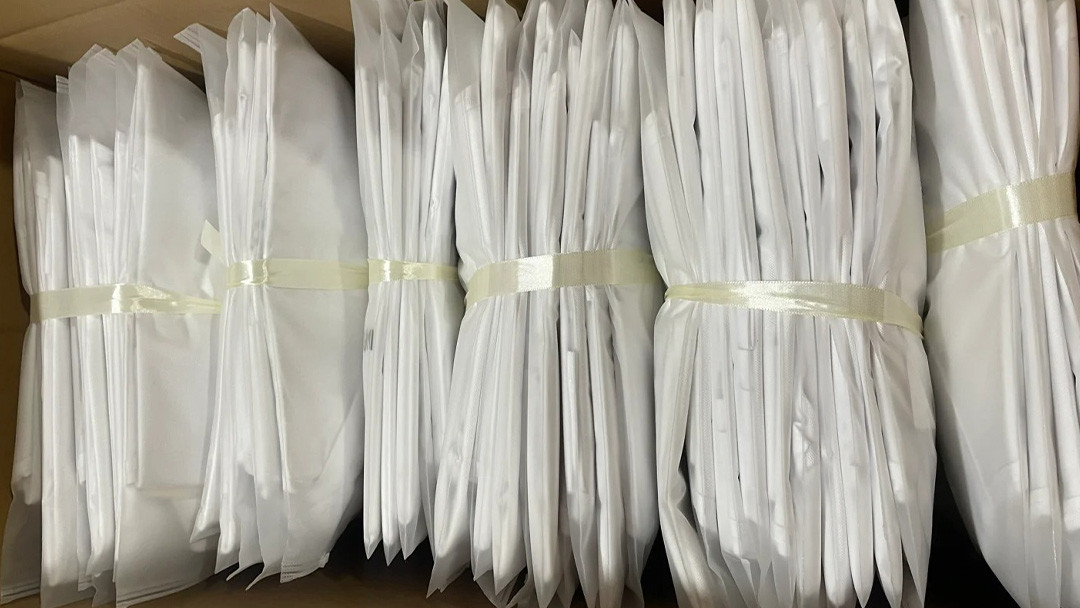
In the age of e-commerce, the first physical interaction a customer has with your brand happens when the package arrives. This moment—the unboxing experience—is a powerful and often-underutilized marketing opportunity. Generic, cheap packaging silently tells the customer that you don't care about the details. In contrast, thoughtful, high-quality packaging elevates your product, reinforces brand value, and creates a memorable experience that fosters loyalty.
The Power of First Impressions: Why Packaging Matters
The way you package your activewear is as much a part of your brand story as the product itself. It's a tangible expression of your quality standards and attention to detail. A premium unboxing experience can justify a higher price point and turn a one-time buyer into a lifelong fan.
Elevating Brand Image Through Thoughtful Packaging
Think of your packaging as the final layer of your product's design. High-quality materials and a cohesive brand presentation make your product feel more valuable. When a customer receives their leggings in a custom-printed, sturdy frosted bag instead of a flimsy, clear poly bag, their perception of the brand's quality instantly rises. This elevated perception is crucial for building a premium brand and distinguishing yourself in a saturated market. The experience moves from purely transactional to something special, making the customer feel valued.
Creating a Memorable Customer Journey Beyond the Product
The customer journey doesn't end at checkout. The anticipation of receiving an order is a key emotional touchpoint. A beautifully executed unboxing experience capitalizes on this excitement and leaves a lasting positive impression. This can include:
- Branded Mailers: The experience starts with the outer packaging. A custom-printed mailer or box immediately sets you apart.
- Internal Wrapping: Using branded tissue paper or a custom bag adds a layer of anticipation and care.
- Personal Touches: A simple thank-you card or a small insert that tells your brand's story can create a powerful personal connection.
By designing this journey, you're not just delivering a product; you're delivering an experience that customers will want to share, both in person and on social media.
Essential Elements of Premium Activewear Packaging
Creating a retail-ready packaging experience doesn't have to be overly complex. Focusing on a few key elements can make a significant impact on how your brand is perceived.
Custom Frosted EVA Zipper Bags: Style and Functionality
One of the most effective upgrades for activewear packaging is the custom frosted EVA (ethylene-vinyl acetate) zipper bag. Unlike standard, crinkly poly bags, EVA bags have a soft, matte, and semi-translucent finish that feels luxurious to the touch.
- Premium Feel: The frosted texture immediately signals a higher quality product inside.
- Functionality and Reusability: The zipper closure makes the bag reusable. Customers often keep them for storing their activewear, toiletries, or for travel, turning your packaging into a functional item that keeps your brand visible long after the initial unboxing.
- Branding Opportunity: These bags are easily customizable with your logo, creating a clean and sophisticated presentation.
High-Quality Hang Tags: Your Brand's Story in Detail
A hang tag is a small but mighty piece of brand real estate. It's an opportunity to communicate information that doesn't fit on the product's sewn-in label. Many brands miss this opportunity, using only a generic tag with a price. A well-designed hang tag should be an extension of your brand's identity.
Here’s what a great hang tag can include:
- Brand Logo and Name: This is the most essential element, ensuring your brand is front and center.
- Brand Story or Mission: A short sentence or two about what your brand stands for. ("Ethically Made," "Designed for Performance," etc.) can create an emotional connection.
- Product Information: Highlight key features like "4-Way Stretch," "Sweat-Wicking Fabric," or "Made from Recycled Materials." This helps justify the product's quality and price.
- Website and Social Media: Encourage customers to connect with your brand online.
Using thicker cardstock, unique shapes, or premium finishes like embossing can further enhance the perceived value of your garment.
Sustainable Packaging Solutions: Appealing to Eco-Conscious Consumers
Today's consumers, especially in the wellness space, are increasingly environmentally conscious. Using sustainable packaging is not just good for the planet; it's good for business. It shows that your brand values align with your customers' values, which builds trust and loyalty.
Consider these eco-friendly options:
- Recycled Mailers: Use mailers made from 100% recycled materials.
- Biodegradable Bags: If you must use poly bags, opt for compostable or biodegradable versions.
- Recycled Paper: For hang tags and inserts, choose paper with a high post-consumer recycled content.
- Minimalist Approach: Don't overdo it. Use only the packaging that is necessary to protect the product and convey your brand message.
Highlighting your use of sustainable materials on your packaging or website can be a powerful marketing tool.
Integrated Labeling: Internal and External Branding Options
Consistent branding extends to the labels on the garment itself. The internal neck label is another touchpoint for quality. Instead of a standard, scratchy woven label, consider a heat-transfer label (tagless tag). This provides a much more comfortable experience for the wearer, especially during workouts, and offers a clean, professional look. It's a small detail that communicates a commitment to comfort and quality. These internal labels, combined with your external hang tags and packaging, create a cohesive and professional branding system from the inside out.
Streamlining Your Supply Chain: From Tech Pack to Customer
A great product and beautiful packaging are only effective if you can produce and deliver them efficiently. For a startup, navigating the complexities of the apparel supply chain can be the biggest hurdle. Understanding the key tools and relationships is crucial for a smooth journey from concept to customer.
The Critical Role of Tech Packs in Activewear Production
A tech pack is the single most important document in apparel manufacturing. It is a detailed blueprint that provides a manufacturer with all the information they need to create your garment accurately. A comprehensive tech pack eliminates guesswork, reduces costly errors, and ensures consistency across your production run.
A standard activewear tech pack must include:
- Technical Sketches (Flats): Detailed drawings of the garment from the front, back, and side, with all stitching and seam details called out.
- Bill of Materials (BOM): A complete list of all materials needed, including main fabric, lining, trims, zippers, thread, and labels. It should specify fabric composition (e.g., 80% Nylon, 20% Spandex), weight (GSM), and any performance finishes.
- Measurement Spec Sheet: A table of all garment measurements for each size in your range. This ensures a consistent fit.
- Construction Details: Step-by-step instructions on how the garment should be assembled, including seam types (e.g., flatlock seams for comfort) and stitch specifications.
- Artwork and Colorways: Exact Pantone color codes for all fabrics and prints, as well as placement and size details for logos and labels.
Without a detailed tech pack, you open the door to misinterpretation, incorrect samples, and production delays, all of which cost you time and money.
Finding Reliable Suppliers and Negotiating MOQs
Finding the right manufacturing partner is critical. Look for suppliers with specific experience in activewear, as they will understand the nuances of working with performance fabrics. When vetting potential partners, ask for references, review samples of their work, and ensure they have strong quality control processes in place.
One of the biggest challenges for startups is the Minimum Order Quantity (MOQ) required by many factories. This is the smallest number of units they are willing to produce for a single style. Negotiating MOQs can be difficult, but some manufacturers are willing to work with startups by offering lower MOQs at a slightly higher price per unit. Building a good relationship with your supplier from the start is key.
Efficient Shipping and Storage Strategies
Once your product is manufactured, you need a plan for getting it into your customers' hands. For most startups, this involves finding a reliable shipping partner. Compare rates and services from major carriers to find the most cost-effective solution for your business.
Initially, you may store and ship inventory from your home or a small office. As your brand grows, consider partnering with a third-party logistics (3PL) provider. A 3PL can handle all your warehousing, picking, packing, and shipping needs, freeing you up to focus on marketing and growing your business. This scalability is a vital component of long-term success.
The FittDesign Advantage: Maximizing Value with Full-Package Production
For new and emerging activewear brands, the journey from a design concept to a market-ready product is filled with complexities. Juggling separate vendors for fabric sourcing, pattern making, sample creation, bulk production, and packaging is not only chaotic but also ripe for expensive errors. This is where Full-Package Production (FPP) emerges as a strategic game-changer, offering a streamlined, efficient, and cost-effective path to launch.
Why Full-Package Production (FPP) is a Game-Changer for Startups
Full-Package Production is a comprehensive manufacturing model where a single factory or partner manages the entire production process from start to finish. This includes everything from refining your tech pack and sourcing materials to manufacturing the garments, implementing quality control, and handling final packaging. For a startup with limited resources and industry experience, this integrated approach is invaluable.
Cost Savings and Efficiency: A Smart Business Decision
While it might seem that hiring one company to do everything would be more expensive, FPP often leads to significant cost savings. FPP manufacturers have established relationships with fabric mills and trim suppliers, allowing them to source high-quality materials at competitive prices due to their bulk purchasing power.
This model also eliminates the hidden costs associated with managing multiple vendors, such as shipping materials between different facilities, sample revision fees caused by miscommunication, and production delays. With FPP, the entire workflow is consolidated under one roof, leading to a much faster and more efficient timeline from development to delivery.
Ensuring Consistent Quality from Design to Delivery
Quality control is one of the most critical aspects of building a brand, and it's also one of the hardest to manage with a fragmented supply chain. When different companies are responsible for different stages, it's easy for standards to slip and for accountability to become blurred.
With FPP, a single team oversees the entire process, ensuring that the quality standards specified in your tech pack are maintained at every step. From the first sample to the final bulk production run, the factory is responsible for delivering a consistent, high-quality product. This unified oversight minimizes the risk of errors and ensures that the final garment perfectly matches your vision.
Seamless Integration of Design, Manufacturing, and E-commerce
The ultimate goal of production is to sell. A modern FPP partner understands this and can help bridge the gap between manufacturing and your online storefront, creating a truly unified operational flow.
From Concept to Online Store: A Unified Process
An experienced FPP provider acts as more than just a manufacturer; they are a production partner. They can provide expert guidance on your designs, helping you make choices that are not only aesthetically pleasing but also optimized for cost-effective manufacturing. This collaborative process ensures that from the moment you finalize your tech pack, every decision is made with the final, sellable product in mind. By handling all the technical complexities, they allow you to focus on what you do best: building your brand and connecting with your audience.
Leveraging E-commerce Platforms for a Superior Customer Experience
The efficiency of FPP directly translates to a better customer experience. Faster production timelines mean you can launch new collections more quickly and restock popular items before they sell out, keeping your customers engaged and satisfied.
Many FPP providers can also handle your retail-ready packaging and even prepare shipments for direct integration with e-commerce fulfillment centers (like a 3PL). This seamless handover from production to logistics ensures that your products are ready to be shipped to customers the moment they arrive from the factory, minimizing downtime and maximizing sales opportunities.
Strategic Tips for Launching Your Activewear Brand
Having a great product is only half the battle. A successful launch requires a strategic approach to understanding your market, building a compelling brand, and connecting with your community.
In-Depth Market Research and Niche Definition
The activewear market is vast. Trying to appeal to everyone is a recipe for appealing to no one. Before you launch, conduct thorough market research to identify an underserved niche. Are you targeting serious marathon runners, yoga enthusiasts, rock climbers, or busy moms who live in athleisure?
Understanding your specific audience—their needs, pain points, and values—is the foundation of your entire brand strategy. This will inform your product design, your marketing messages, and your brand's overall voice.
Building a Powerful Brand Identity and Story
People don't just buy what you do; they buy why you do it. Your brand is more than a logo and a color palette; it's a story. What inspired you to start your brand? What problem are you solving for your customers? What is your mission?
Craft a compelling brand story that resonates emotionally with your target audience. This story should be reflected consistently across all your touchpoints—your website's "About Us" page, your social media content, and your packaging. A strong brand identity builds an authentic connection and turns customers into a community.
Effective Marketing and Community Building
For a new activewear brand, social media is your most powerful marketing tool. Platforms like Instagram and TikTok are ideal for showcasing your products visually and connecting with your audience in an authentic way.
Influencer collaborations are particularly effective in the activewear space. Partnering with fitness and lifestyle influencers who align with your brand values can provide instant credibility and introduce your brand to a highly engaged and relevant audience. Focus on building long-term relationships with influencers who genuinely love your product, as their authenticity will be far more impactful than one-off sponsored posts.
Building a community around your brand is just as important as marketing. Encourage user-generated content by creating a unique hashtag, run contests, and engage with your followers in the comments. When customers feel like they are part of a community, they become your most passionate advocates.
Beyond the Product: Enhancing the Customer Experience and Driving Sales
In today’s competitive e-commerce landscape, a superior product is only the starting point. Lasting success depends on creating a seamless and engaging customer experience from the moment a user lands on your website to the moment their order arrives at their door—and beyond. Optimizing your online store, mastering fulfillment, and executing targeted marketing campaigns are essential for converting interest into sales and building a loyal customer base.
Optimizing Your E-commerce Store for Activewear Success
Your website is your digital flagship store. It needs to be more than just functional; it must be visually appealing, intuitive, and trustworthy. For activewear, where fit and performance are key, your online presence must work extra hard to bridge the gap between the digital and physical product.
User-Friendly Design and Seamless Navigation
A clean, modern, and user-friendly design is non-negotiable. Your website's navigation should be intuitive, allowing customers to easily find what they're looking for, whether they're browsing by category (e.g., leggings, sports bras), collection, or activity. Overly cluttered pages or confusing menus will lead to frustration and high bounce rates. Ensure your site is visually consistent with your brand identity, using your brand's colors, fonts, and imagery to create a cohesive experience.
Secure Payment Gateways and Mobile Responsiveness
Trust is the currency of e-commerce. Integrating well-known, secure payment gateways like Shopify Payments, PayPal, and Apple Pay gives customers peace of mind and simplifies the checkout process.
Furthermore, with a significant portion of online shopping now happening on smartphones, your website must be fully mobile-responsive. Text, images, and buttons should automatically adjust to fit any screen size, providing a smooth and accessible shopping experience for everyone, regardless of the device they're using.
Engaging Product Descriptions and High-Quality Visuals
Since customers can't touch or try on your activewear online, your product pages have to do the heavy lifting.
- High-Quality Visuals: Invest in professional product photography and videography. Show your garments from multiple angles, on different body types, and in motion. Videos of models working out in your activewear can be incredibly effective at demonstrating fit, stretch, and performance.
- Engaging Product Descriptions: Don't just list features; sell benefits. Instead of saying "80/20 Nylon/Spandex blend," say "Crafted from a buttery-soft, four-way stretch fabric that moves with you like a second skin." Use descriptive language that evokes the feel and function of the garment. Include details about fabric technology (e.g., "sweat-wicking," "quick-drying"), fit recommendations, and care instructions.
Mastering Shipping and Fulfillment: Getting Your Activewear to Customers
A smooth and reliable shipping process is critical to customer satisfaction. Delays, high shipping costs, and complicated tracking can sour an otherwise positive brand experience.
Choosing Reliable Shipping Partners and Negotiating Rates
For startups, choosing the right shipping carriers is a crucial decision. Major carriers like USPS, UPS, and FedEx each have their own strengths. Compare their rates, delivery speeds, and reliability for the package sizes and weights you'll be shipping most often. As your shipping volume grows, you may be able to negotiate better rates, so it's worth revisiting your contracts periodically.
Streamlining Order Fulfillment and Tracking
An efficient order fulfillment system is essential. Whether you're packing orders yourself or using a 3PL provider, the process should be fast and accurate. Once an order is shipped, providing customers with automated tracking information is standard practice. This transparency reduces customer anxiety and cuts down on "Where is my order?" inquiries, freeing up your customer service resources.
Customer-Centric Return and Exchange Policies
A clear and fair return policy is vital for building trust, especially for an apparel brand where fit is so important. Customers are more likely to make a purchase if they know they can easily return or exchange an item that doesn't work for them. While returns can be a cost to the business, a hassle-free policy can significantly increase conversion rates and foster long-term customer loyalty. Make your policy easy to find and understand on your website.
Marketing Your Activewear Brand in a Competitive Landscape
With your product, packaging, and e-commerce store in place, it's time to drive traffic and build your brand's presence. A multi-channel marketing strategy is essential for reaching your target audience where they are most active.
Social Media Strategies and Influencer Collaborations
Social media is the heartbeat of activewear marketing. Instagram and TikTok are your primary channels for visual storytelling. Use high-quality photos and videos to showcase your product in action, share behind-the-scenes content, and engage with your community.
Influencer marketing remains one of the most effective tactics for activewear brands. Instead of focusing solely on mega-influencers, consider partnering with micro-influencers—creators with smaller, but highly engaged and niche followings. Their recommendations often come across as more authentic and can deliver a higher return on investment. Build genuine, long-term relationships with influencers who align with your brand's values.
Content Marketing and SEO for Activewear
Content marketing helps you connect with your audience on a deeper level while also improving your website's search engine optimization (SEO). Start a blog and create articles that provide value to your target customer. Topics could include workout tips, nutrition advice, wellness guides, or spotlights on community members.
By targeting relevant keywords (e.g., "best yoga leggings for hot yoga," "sustainable activewear brands"), you can attract organic traffic from potential customers who are actively searching for information related to your products.
Email Marketing and Targeted Advertising
Email marketing is a powerful tool for nurturing leads and driving repeat purchases. Offer a discount in exchange for signing up for your newsletter. Use email campaigns to announce new product launches, share exclusive content, and offer special promotions to your subscribers.
Targeted advertising on platforms like Facebook and Instagram allows you to reach a highly specific audience based on demographics, interests, and online behavior. Use retargeting campaigns to show ads to users who have previously visited your website but did not make a purchase. This can be a highly effective way to bring potential customers back to your store and complete the sale.
Your Questions Answered: Activewear Branding & Packaging FAQs
Navigating the world of activewear production can bring up a lot of questions. Here are answers to some of the most common queries from emerging brand owners to help you make informed decisions.
What's the best logo application for stretchy activewear?
For high-stretch fabrics like the nylon/spandex or polyester/spandex blends used in leggings and sports bras, the best logo application is a 3D silicone heat transfer. This method offers superior elasticity, allowing the logo to stretch with the fabric without cracking or peeling, which is a common problem with traditional screen printing. Silicone transfers also provide a premium, tactile, and modern finish that enhances the perceived value of the garment. Other strong contenders are Direct to Film (DTF) transfers, which offer excellent stretch and durability, and sublimation for all-over prints on polyester, as the ink becomes part of the fabric itself and cannot crack.
Can custom packaging really make a difference for a new brand?
Absolutely. In the e-commerce world, your packaging is the first physical touchpoint a customer has with your brand. Custom packaging does several things:
- Elevates Perceived Value: Premium packaging, such as a frosted EVA zipper bag instead of a simple poly bag, instantly makes your product feel more luxurious and justifies a higher price point.
- Creates a Memorable Unboxing Experience: A thoughtful unboxing experience makes customers feel special and creates a lasting positive impression, which they are more likely to share on social media.
- Reinforces Brand Identity: Custom packaging is a powerful branding tool that communicates your story, values, and attention to detail before the customer even touches the product itself. For a new brand, standing out is critical, and custom packaging is a highly effective way to differentiate yourself and build customer loyalty from day one.
How do tech packs reduce production costs?
A detailed tech pack is one of the most effective cost-saving tools in apparel manufacturing. It acts as a precise blueprint for your manufacturer, reducing ambiguity and minimizing the risk of errors. Here's how it saves money:
- Minimizes Sample Revisions: A clear tech pack ensures the factory gets the design right the first time, reducing the need for multiple, costly rounds of samples.
- Prevents Production Errors: By specifying every detail—from stitching types to fabric content and measurements—a tech pack prevents misunderstandings that can lead to entire batches of garments being produced incorrectly, which would be a catastrophic cost for a startup.
- Improves Quoting Accuracy: With a detailed tech pack, manufacturers can provide a more accurate cost estimate upfront, preventing unexpected charges later in the process. Investing time and resources into a professional tech pack is an investment that pays for itself by preventing expensive mistakes.
What are the benefits of full-package production?
Full-Package Production (FPP) is a comprehensive service where one manufacturer handles the entire production process, from sourcing materials to final delivery. For startups, the benefits are immense:
- Streamlined Process: FPP eliminates the chaos of managing multiple suppliers (for fabric, cutting, sewing, etc.), saving you an incredible amount of time and effort.
- Cost-Effectiveness: FPP manufacturers often have better sourcing networks and can get materials at a lower cost. Consolidating the process also reduces shipping and logistical overhead between different vendors.
- Quality Control: With one party responsible for the entire process, it's easier to maintain consistent quality and hold the manufacturer accountable for the final product.
- Expert Guidance: FPP partners act as experienced guides, offering advice on design, materials, and production to help you avoid common pitfalls. In short, FPP allows you to focus on building your brand, marketing, and sales, while an expert partner handles the complex world of production.
I believe that by prioritizing durable, high-performance logo customization and crafting a retail-ready unboxing experience, your activewear brand can not only stand out but also build the deep, lasting customer loyalty that is the bedrock of any successful business. Remember, every single detail—from the elasticity of your logo to the texture of your packaging—is a message. It communicates your brand's unwavering commitment to excellence and your respect for the customer.
Ready to transform your activewear vision into a thriving reality? Don't let the complexities of production or the fear of a peeling logo hold you back. Your brand deserves to be presented with the same quality and passion that you poured into designing it. Let me show you how a comprehensive, detail-oriented approach can elevate your brand, delight your customers, and set the stage for long-term success.
Take the first step towards building an impactful activewear brand. Download my exclusive checklist: The Ultimate Guide to Custom Branding, Premium Packaging, and Efficient Production. This resource is designed to ensure every element of your brand is meticulously planned and truly retail-ready, empowering you to launch with confidence.