How to Select the Best Sportswear Manufacturer for Your Custom Activewear Needs
- Share
- Issue Time
- Jul 7,2026
Summary
For brands entering or expanding in the activewear market, selecting the right sportswear manufacturer is a crucial decision that profoundly impacts product quality, efficiency, and customer satisfaction. This comprehensive guide outlines best practices for choosing a manufacturing partner that aligns with a brand's vision. Key considerations include prioritizing customization and brand identity, demanding high-quality materials and construction, ensuring transparent production and communication
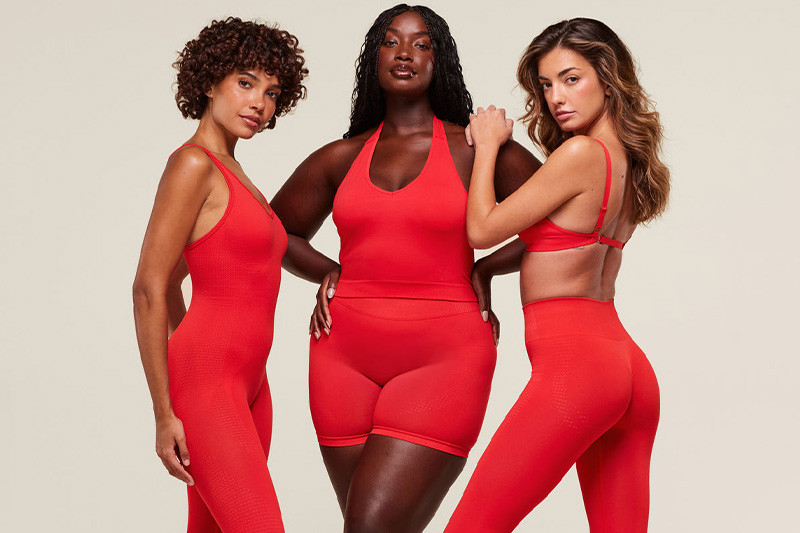
As an aspiring or established brand in the booming activewear market, finding the right sportswear manufacturer is one of the most critical decisions you'll make for your custom activewear needs. The global sportswear market is a behemoth, valued at over $350 billion, and tapping into it requires a partner who can translate your vision into high-quality, desirable products.
In this guide, I will walk you through the essential considerations and best practices for selecting a manufacturing partner that aligns with our vision for quality, efficiency, and customer satisfaction. We'll cover everything from design flexibility and material science to production timelines and the nuances of building a trustworthy relationship.
Key Takeaways
- Prioritize Customization and Brand Identity: The right manufacturer should offer extensive flexibility in design, allowing for unique brand expression through logos, colors, and diverse styles. They must be proficient in techniques like sublimation, screen printing, and embroidery.
- Insist on High-Quality Materials and Construction: The performance of activewear is non-negotiable. Your partner must have expertise in high-performance fabrics—like polyester-spandex and nylon blends—and demonstrate meticulous attention to construction details like stitching and seam integrity.
- Demand Transparent Production and Communication: A reliable manufacturer provides clear production schedules, maintains open lines of communication, and adheres to global quality and ethical standards (e.g., AQL 2.5, fair labor certifications).
- Thoroughly Vet Your Partner: Don't skip the due diligence. Research a manufacturer's reputation through reviews and testimonials, analyze their case studies, and evaluate their capacity for a supportive, long-term partnership.
Navigating Customization Options in Sportswear Manufacturing: A Guide for Your Activewear Brand
Choosing a manufacturer is about finding a partner who can bring your unique vision to life. Customization is the cornerstone of a distinct activewear brand, allowing you to move beyond generic offerings and create products that deeply resonate with your target audience.
Design Flexibility and Personalization
A manufacturer's ability to offer a wide range of design options is a direct reflection of their capabilities. True partnership means they can adapt to your creative needs, not force you into a limited set of templates.
Incorporating Brand Identity
Your brand is more than just a logo; it's an entire experience and set of values. A skilled manufacturer understands this and provides multiple avenues to embed your identity into every garment. This starts with the basics, like logo application. Strategic placement and high-quality execution are key. Whether it's a subtle embroidered emblem on a hoodie or a bold screen-printed logo on a performance tee, the application must be durable and consistent with your brand guidelines.
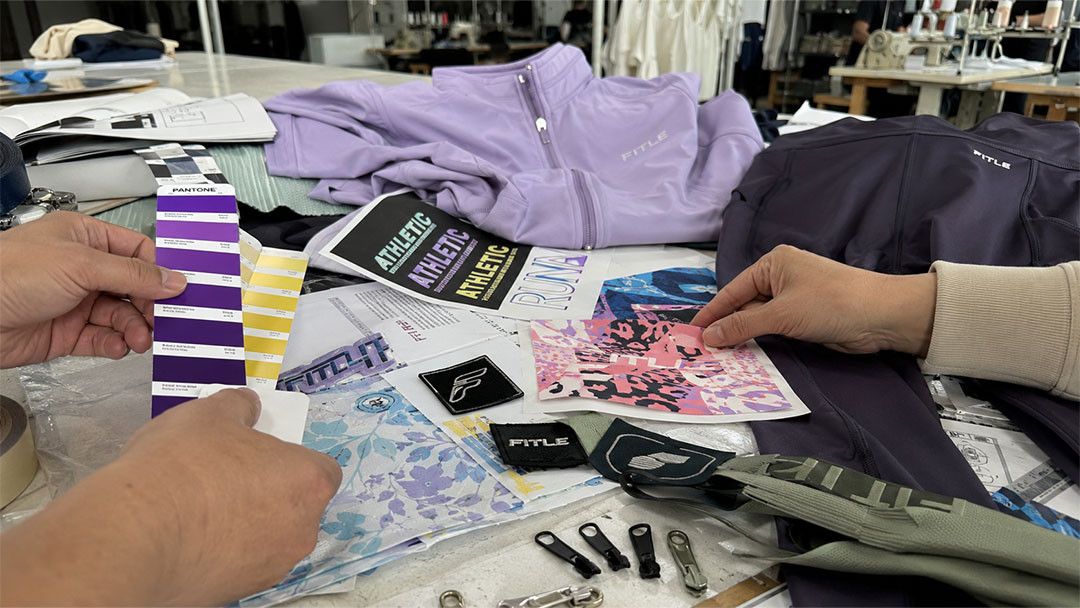
Beyond logos, color is a powerful brand signifier. Your manufacturer should offer precise color matching (e.g., using Pantone codes) to ensure consistency across different products and production runs. This extends to custom details like branded zipper pulls, unique stitching colors, or custom-printed elastic bands, all of which contribute to a cohesive and recognizable brand aesthetic.
Diverse Garment Styles and Sizes
The modern activewear market is incredibly diverse, catering to a wide range of body types and activities, from yoga and running to team sports and athleisure. A capable manufacturer should not only offer a broad catalog of base styles—leggings, sports bras, shorts, hoodies, jerseys—but also have the technical expertise to create custom patterns.
Furthermore, inclusive sizing is no longer optional; it's a market expectation. Your partner must be able to handle complex grading to produce a consistent fit across a wide range of sizes, from XXS to 6XL and beyond. They should provide detailed garment sizing charts and be able to work from your specific measurements to ensure the fit is perfect for your target demographic. This technical skill prevents common issues where larger sizes are simply scaled-up versions of smaller ones, leading to poor fit and customer dissatisfaction.
Advanced Customization Techniques and Fabrics for Performance
The difference between good and great activewear often lies in the technical details. An expert manufacturer will master advanced customization methods and guide you through the complex world of performance textiles.
Mastering Printing, Embroidery, and Sublimation
Different customization techniques serve different purposes, and your manufacturer should be proficient in several.
| Customization Method | Best For | Considerations |
|---|---|---|
| Screen Printing | Bold graphics, logos, and text on cotton or poly-blends. Cost-effective for larger batches. | Limited color gradients. Ink sits on top of the fabric. Can crack over time with stretching. |
| Embroidery | Premium logos and details on thicker fabrics like hoodies, jackets, and hats. Creates a high-end, textured look. | Can be heavy or stiff on lightweight performance fabrics. Best for smaller, static logos. |
| Heat Transfer (DTFlex) | Small to medium-sized orders, full-color designs, and application on performance synthetics. Good for detailed logos. | The transfer sits on the fabric's surface and can affect breathability. Durability can vary. |
| Sublimation | All-over, vibrant, full-color designs on 100% polyester fabrics. The dye becomes part of the fabric. | The design is permanent, breathable, and will not crack or peel. Only effective on light-colored or white polyester garments. |
| Laser Etching | Creating subtle, tone-on-tone designs with a high-end, precise finish on various fabrics, including fleece and polyester. | Can be more expensive and is not suitable for adding color. Produces an upscale, debossed effect. |
Selecting High-Performance Materials
Fabric is the heart of any activewear garment, dictating its comfort, performance, and durability. A top-tier manufacturer acts as a consultant, helping you navigate the vast options to find the perfect material for your product's intended use.
For high-impact activities like running or HIIT, fabrics like nylon-spandex or polyester-spandex blends are essential. These materials offer crucial four-way stretch, excellent recovery (so they don't sag), and superior moisture-wicking capabilities to keep the wearer dry. For lifestyle or low-impact apparel like yoga wear, a softer blend, perhaps with a brushed finish, might be prioritized for comfort.
A knowledgable manufacturer should be able to provide detailed fabric specifications, including:
- Composition: The exact blend of fibers (e.g., 80% Nylon, 20% Spandex).
- Weight (GSM): Grams per square meter, which indicates the fabric's thickness and opacity. A lightweight running top might be 130 GSM, while compression leggings would need 250-300 GSM for support and to avoid being see-through.
- Stretch Type: Confirming it's a 4-way stretch for unrestricted movement is critical for most activewear.
- Special Finishes: Such as anti-pilling, anti-odor, or UV protection.
Furthermore, with a growing consumer demand for sustainability, a forward-thinking manufacturer should also offer eco-friendly options like recycled polyester (rPET) and fabrics derived from bamboo or Tencel.
Ensuring Product Excellence: A Sportswear Manufacturer Guide to Quality Custom Activewear
In the competitive activewear market, product quality is non-negotiable. Customers expect garments that not only look good but perform exceptionally under stress, wash after wash. True excellence is a result of a manufacturer's commitment to premium materials, meticulous construction, and rigorous quality assurance.
The Foundation: Premium Fabrics and Construction
The feel and function of an activewear garment begin with its raw materials. A knowledgeable manufacturer will have a deep understanding of textile science and how different fibers contribute to the end product's performance.
Breathability, Durability, and Moisture Management
These three properties form the holy trinity of performance fabrics.
- Breathability: This refers to a fabric's ability to allow air to circulate, preventing the wearer from overheating. Breathable materials, often incorporating mesh panels or specific knit structures, allow heat and moisture vapor to escape.
- Durability: Activewear endures significant stress from stretching, friction, and frequent laundering. Durability is determined by fiber strength, weave or knit tightness, and resistance to pilling (the formation of small fiber balls on the surface). Fabrics like nylon are known for their high abrasion resistance.
- Moisture Management: This is a fabric's ability to pull sweat away from the skin and move it to the fabric's outer surface to evaporate quickly. This process, known as wicking, is crucial for keeping athletes dry, comfortable, and free from chafing.
Key Activewear Fabrics: Polyester, Spandex, Nylon, and Sustainable Choices
No single fiber can do it all, which is why most activewear consists of strategic blends. A specialist manufacturer should be proficient in sourcing and working with the following:
| Fabric Type | Key Properties | Common Uses |
|---|---|---|
| Polyester | Excellent moisture-wicking, durable, quick-drying, and resistant to shrinking. It is the most popular activewear fabric. | Running tops, gym wear, jerseys, and any high-sweat application. |
| Nylon | Softer and smoother than polyester, exceptionally strong and abrasion-resistant, with a premium feel. | High-end leggings, sports bras, compression wear, and items where next-to-skin comfort is paramount. |
| Spandex (Elastane/Lycra) | Provides stretch and recovery, allowing for freedom of movement. It's always used as a blend, typically 10-25% of the fabric composition. | Virtually all fitted activewear, including leggings, shorts, and sports bras. |
| Sustainable Options | Eco-friendly alternatives are gaining traction. Recycled Polyester (rPET) offers similar performance to virgin polyester with a lower environmental footprint. Bamboo is known for its softness, natural antimicrobial properties, and breathability. Tencel™ (Lyocell), made from wood pulp, is biodegradable and excellent at moisture management. | Yoga wear, athleisure, and any collection targeting environmentally-conscious consumers. |
Meticulous Stitching, Structural Integrity, and Quality Assurance
Even the best fabric can be let down by poor construction. The seams are the skeleton of a garment, and their quality directly impacts durability and comfort.
Attention to Detail for Robust Garments
The right stitch can make all the difference. An experienced manufacturer will employ specific techniques for sportswear to ensure garments can withstand intense movement.
- Flatlock Stitching: This technique joins fabric panels edge-to-edge, creating a seam that lies completely flat against the skin to eliminate chafing, making it essential for compression gear and base layers.
- Overlock Stitching: Used to join and finish raw edges, this stitch provides a durable and flexible seam common in side seams and underarms.
- Reinforced Stitching (Bartacks): These are small, dense stitches used to reinforce high-stress points like pocket corners, zipper ends, and strap attachments. The presence of bartacks is a clear indicator of a well-made, durable garment. A standard bartack might consist of 42 stitches over a 7mm span, locking the seam against failure.
Evaluating Durability Through Samples and Reviews
Before committing to a full production run, you must rigorously evaluate samples. This is your chance to physically assess the manufacturer's workmanship. When you receive a sample, don't just look at it—test it.
- Check the Seams: Pull gently on the seams. They should hold firm without any signs of thread breaking or puckering. Turn the garment inside out to inspect the internal finishing.
- Measure and Fit: Compare the sample's measurements against your tech pack specifications. Fit the garment on a model to check for comfort, movement, and any stress points.
- Fabric Performance: Does the fabric feel as expected? If you specified a heavyweight compression fabric, it shouldn't feel flimsy.
- Wash Test: A crucial step often overlooked. Run the sample through a standard wash and dry cycle. Check for any color bleeding, shrinkage, pilling, or loss of shape. A garment that fails after one wash will destroy customer trust.
In addition to your own testing, look for reviews and case studies from other brands that have worked with the manufacturer. This external validation can offer insight into their consistency and long-term product quality.
Streamlining Production and Communication: A Sportswear Manufacturer Guide to Efficient Custom Activewear Manufacturing
An efficient production process is the engine of a successful activewear brand. Delays, errors, and miscommunications can lead to missed launch dates, wasted budget, and damaged brand reputation. A top-tier sportswear manufacturer differentiates itself not just by the quality of its products, but by the streamlined efficiency of its operations and the clarity of its communication.
Understanding Turnaround Times and Production Flow
A realistic and transparent production timeline is crucial for planning your business operations, from marketing campaigns to inventory management. Understanding the various stages helps set clear expectations and identify potential bottlenecks.
Navigating Production Schedules and Delivery
The journey from a finalized tech pack to delivered goods is a multi-stage process. A typical timeline for a standard custom activewear order can range from 10 to 14 weeks, but this can vary based on several factors. A professional manufacturer will provide a clear breakdown of this schedule:
- Sampling (1-2 weeks): Creating initial prototypes for fit and design approval. Each round of revisions can add another 1-2 weeks, highlighting the need for a detailed tech pack from the start.
- Fabric Sourcing & Dyeing (3-4 weeks): This is often one of the longest and most unpredictable stages, especially for custom-developed materials. Using a manufacturer's stock fabrics can significantly shorten this phase.
- Bulk Production (4-6 weeks): This includes cutting, sewing, and finishing the garments at scale. The complexity of the design and the order quantity heavily influence this stage.
- Quality Control & Shipping (1-5 weeks): Final inspection is performed before goods are packed. Shipping can take as little as one week via air freight or up to five weeks via sea freight.
Factors like factory capacity, complex customizations (e.g., embroidery), and the need for custom accessories can also extend lead times. Clear communication with your manufacturer about booking production slots early is key to avoiding delays.
The Role of Transparent Communication
Transparent communication is the cornerstone of a successful manufacturing partnership. It transforms a simple supplier relationship into a collaborative one, building trust and reducing errors. Effective communication is not just about frequent updates; it's about clarity, consistency, and a shared understanding of both creative vision and technical reality.
A great manufacturer will:
- Establish a Central Point of Contact: Having a dedicated account or project manager avoids confusion from fragmented communication.
- Utilize Multiple Communication Channels: Use email for formal documentation like tech packs and agreements, and real-time messaging apps for quick questions or sharing progress photos.
- Be Proactive: They should inform you of potential delays (e.g., fabric sourcing issues, port congestion) before they become major problems, allowing for collaborative problem-solving.
- Provide Detailed Feedback: When issues arise, they should explain the technical reasons and propose solutions, fostering a learning environment for both parties.
Comprehensive Workflow, Quality Control, and Compliance
A structured and transparent workflow ensures that quality is built into every step of the process, not just checked at the end. This is also where a manufacturer's commitment to global standards becomes evident.
From Design Concept to Final Product
The production journey follows a well-defined path to ensure consistency and quality.
- Pre-Production: This begins with a thorough review of the tech pack—the blueprint for the garment. Once the design is locked, the manufacturer creates patterns and the crucial Pre-Production Sample (PPS). The PPS is the "golden standard" made with the final, approved bulk materials. No mass production should begin until you have signed off on this sample.
- During Production: The process moves to cutting the fabric, applying decorations (like sublimation or printing), and then sewing. A quality-focused manufacturer will conduct in-line inspections, where garments are checked at various points on the sewing line. This catches defects early, preventing them from being replicated across the entire batch.
- Post-Production: After sewing, garments go through finishing, which includes trimming loose threads, pressing, and attaching labels and hangtags. A final quality inspection is then conducted before the garments are folded and packed according to your specifications.
Adhering to Global Quality and Ethical Standards
Adherence to internationally recognized standards is a powerful indicator of a manufacturer's professionalism and reliability. These certifications provide independent verification that a factory operates ethically, safely, and with a commitment to quality.
- Quality Management (ISO 9001): This certification demonstrates that a factory has a robust quality management system in place to ensure consistent product quality and customer satisfaction.
- Ethical and Social Compliance: Consumers increasingly demand that their clothes are made ethically. Certifications like WRAP (Worldwide Responsible Accredited Production) and SA8000 verify that factories adhere to fair labor practices, including safe working conditions, fair wages, and a prohibition on child or forced labor. Working with a certified factory not only aligns with modern brand values but also mitigates significant reputational risk. Factories with strong compliance records have been shown to produce higher-quality products and have more reliable delivery times.
When vetting a manufacturer, ask for their certifications. A transparent partner will readily provide this documentation, proving their commitment to both product excellence and ethical responsibility.
Building a Reliable Partnership: A Sportswear Manufacturer Guide to Trust and Customer Satisfaction in Custom Activewear
Choosing a sportswear manufacturer is more than a transactional decision; it is the formation of a strategic partnership that can define your brand's trajectory. A reliable partner contributes not only to product quality but also to your long-term growth and stability. Building this relationship requires diligence, clear communication, and a focus on mutual trust.
Leveraging Customer Reviews and Industry Recognition
Before committing to any manufacturer, it is crucial to conduct thorough due diligence. Their reputation within the industry and feedback from past clients are powerful indicators of their reliability and the quality of their work.
Researching Manufacturer Reputation and Feedback
In the digital age, a manufacturer's reputation is more transparent than ever. Start by searching for online reviews, testimonials, and ratings on B2B platforms and industry forums. Look for consistent themes in the feedback. Do clients frequently praise their communication, timeliness, and quality, or are there recurring complaints about delays, errors, or poor service? Don't hesitate to ask a potential manufacturer for references from brands similar to yours in scale and product type. Speaking directly with their past clients can provide invaluable, firsthand insights that you won't find on a website.
However, be wary of red flags. A manufacturer who is hesitant to provide references, has no verifiable online presence, or offers unrealistically low prices should be viewed with skepticism. These can be signs of inexperience, poor quality, or a lack of transparency.
Valuing Case Studies and Successful Collaborations
A manufacturer's portfolio is a testament to their capabilities. Beyond just a gallery of product images, look for detailed case studies that showcase successful collaborations. A strong case study will outline the client's initial challenge, the manufacturer's proposed solution, and the final results. It demonstrates not just their production skills but also their ability to understand a brand's goals and contribute to its success.
Analyze their portfolio to see if they have experience with the specific types of garments, fabrics, and customization techniques you require. If you're launching a line of high-compression leggings, a manufacturer who primarily showcases basic cotton t-shirts may not be the right fit. Their past work is the most reliable predictor of their future performance with your brand.
Cultivating Trust: The Value of a Strategic Manufacturing Partner
A manufacturing agreement should be the beginning of a long-term, collaborative relationship, not a one-off transaction. A true partner is invested in your success and acts as an extension of your own team. This deeper relationship is built on a foundation of trust, consistency, and mutual respect.
Indicators of a Supportive Relationship
A supportive partnership is characterized by several key behaviors. True partners communicate proactively, sharing updates on production or potential challenges before you have to ask. They are not just order-takers; they are problem-solvers. An experienced manufacturer will offer valuable feedback, suggesting alternative materials to meet a price point or a better construction method to improve durability.
This collaborative spirit transforms the relationship from a simple client-vendor dynamic into a strategic alliance. They see your growth as their growth. Such partners often grant loyal brands benefits like priority production scheduling and first access to new, innovative materials.
The Importance of Ongoing Support and Clear Communication
Exceptional customer service is a critical but often overlooked component of manufacturing. Inevitably, issues will arise—a shipment might be delayed, or a minor quality issue might surface. How a manufacturer handles these challenges is a true test of the partnership. A reliable partner addresses issues promptly, takes accountability, and communicates with transparency and empathy.
This ongoing support fosters a feedback loop that benefits both parties. When you can openly share customer feedback about sizing or quality with a manufacturer who listens and adapts, your product improves over time. This continuous improvement cycle is what builds brand loyalty and long-term success. Trust is ultimately earned through consistency—consistent quality, consistent communication, and consistent reliability, order after order.
Frequently Asked Questions (FAQ)
1. What is the most critical document to provide a manufacturer? A detailed Tech Pack is the single most important document. It is the blueprint for your garment and should include technical sketches, precise measurements for all sizes, fabric composition (e.g., 85% Polyester, 15% Spandex), material weight (GSM), color codes (Pantone), stitching details, and placement instructions for all logos and labels. A thorough tech pack minimizes misunderstandings and reduces the need for multiple, costly sample revisions.
2. What is a realistic production timeline I should expect? A typical production timeline for a custom sportswear order ranges from 10 to 14 weeks from the approval of the Pre-Production Sample (PPS). This generally includes 3-4 weeks for fabric sourcing, 4-6 weeks for bulk production (cutting, sewing, finishing), and 1-5 weeks for quality control and shipping, depending on the freight method (air or sea).
3. What are the key differences between printing methods like screen printing and sublimation? Screen printing applies ink on top of the fabric, making it ideal for bold, simple graphics on cotton or blended fabrics but it can feel heavier and may crack over time. Sublimation infuses dye directly into the fibers of 100% polyester fabric. The result is a permanent, vibrant, all-over design that doesn't add weight, affect breathability, or ever crack or peel.
4. How can I verify a manufacturer's ethical standards? Ask for their social compliance certifications. Globally recognized standards like WRAP (Worldwide Responsible Accredited Production) and SA8000 provide third-party verification that a factory adheres to lawful, humane, and ethical manufacturing practices, including fair wages and safe working conditions. A reputable manufacturer will be transparent and provide these documents.
5. What is AQL 2.5 and why is it important? AQL stands for Acceptable Quality Limit and is an international standard for product inspections. AQL 2.5 means that a batch of products will be accepted if a random sample of it contains no more than 2.5% major defects. It is a statistical method that ensures a consistent level of quality without needing to inspect 100% of the garments, making it a crucial benchmark for professional quality control.
Selecting the best sportswear manufacturer for your custom activewear needs hinges on carefully evaluating customization options, product quality, turnaround times, and customer reputation. It is a strategic decision that goes far beyond simply finding the lowest price. A partnership built on a foundation of premium materials, meticulous craftsmanship, and transparent communication is essential for creating products that will delight your customers and stand the test of time.
By following this comprehensive sportswear manufacturer guide, you can forge a strong partnership that ensures the creation of high-quality, desirable custom activewear, ultimately driving your brand's success and ensuring customer satisfaction. Take the time to vet potential partners thoroughly, demand excellence in every sample, and cultivate a relationship built on trust and shared goals. The right manufacturer is not just a supplier; they are a cornerstone of your brand's future. Now, go build something amazing and don't hesitate to share this guide with others in the industry