How to choose between seamless and cut-and-sew men's activewear tees for your brand?
- Share
- Issue Time
- Jul 2,2026
Choose seamless for compression-fit performance with lower MOQs, choose cut-and-sew for structured designs and precise sizing
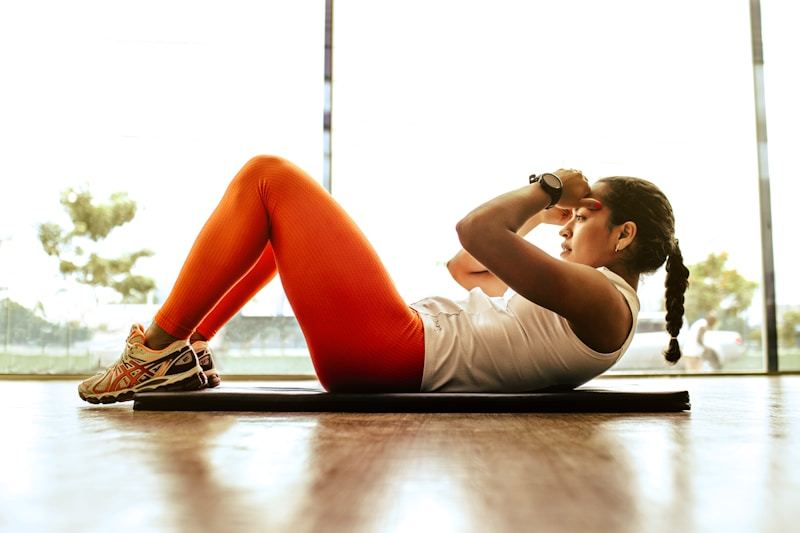
Head-to-Head Comparison
Seamless
- No side seams - zero chafing
- Faster production
- Lower MOQ: 50 pcs/design
- Limited structural patterns
- $5-8/piece at 300 pcs
Cut-and-Sew
- Precise size grading
- More labor intensive
- MOQ: 100 pcs/design
- Unlimited design flexibility
- $6-12/piece at 300 pcs
When to Choose Each Method
Choose Seamless When: Launching leggings, sports bras, compression tops, or baselayers. Seamless construction excels for body-hugging fits. A 2025 market analysis showed seamless activewear grew 28% YoY in the women's fitness segment due to its second-skin feel and lower irritation rates.
Choose Cut-and-Sew When: Producing hoodies, joggers, structured jackets, or garments requiring multiple fabric panels and precise tailoring. This method handles complex designs that seamless knitting cannot achieve.
At Call The STYLE, we help brands decide based on their target market: DTC athleisure brands typically start with seamless leggings and bras, while streetwear labels begin with cut-and-sew hoodies and track pants.
Cost-Benefit Analysis Data
- Seamless production time: 12-15 days vs cut-and-sew 18-22 days
- Seamless return rate: 2.1% vs cut-and-sew 3.8% (primarily sizing issues)
- Seamless fabric waste: 5-8% vs cut-and-sew 15-20% (sustainable advantage)
- Seamless stretch recovery: 95% after 50 washes vs cut-and-sew 85%
- Brands using both methods see 23% higher customer retention

Not sure which method fits your brand? Send your design concept to Call The STYLE and get a free manufacturing recommendation within 24 hours.